

ESTG develops advanced membranes for water desalination, wastewater treatment, and pollutant removal. We engineer mixed-matrix membranes (e.g., MXenes/PVDF) to maximize permeability, selectivity, and fouling resistance.
Representative Work: In a recent breakthrough, our team engineered a mixed-matrix membrane with MXene nanosheets to drastically improve oil and antibiotic removal from water. This work demonstrates interface engineering strategies for superior water purification.
Applications: Desalination, oil-water separation, antibiotic removal, membrane distillation, wastewater treatment.
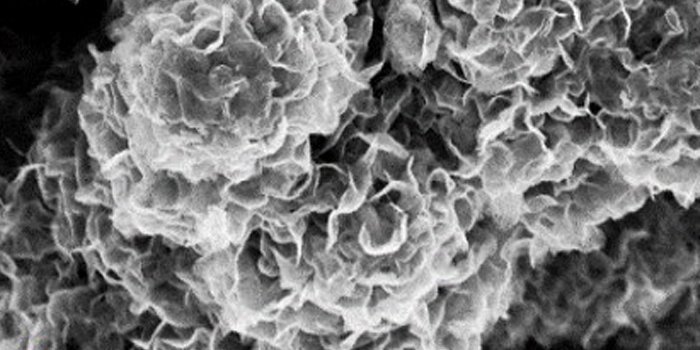
We investigate carbon-based nanostructures and two-dimensional materials (like TMDCs, MXenes, graphene) for novel electronic, sensing, and energy applications. Our research includes synthesis, characterization, and integration into functional devices.
Representative Work: Laser-induced graphene heterostructures for supercapacitors. We create graphene heterostructures using laser processing, optimized for high-performance energy storage devices.
Materials: MXenes, graphene, TMDCs (MoS₂, WS₂), carbon nanotubes, laser-induced graphene.
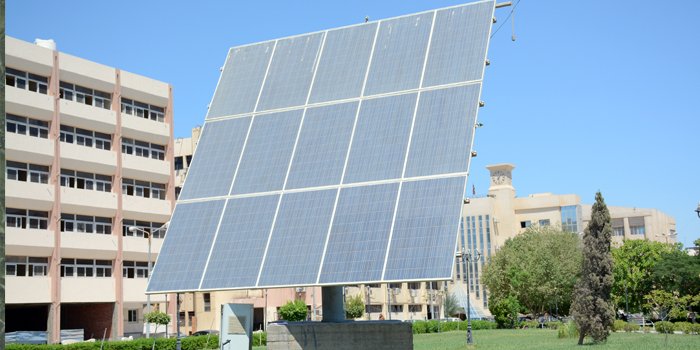
We work on both solar photovoltaics (perovskite solar cells, dye-sensitized solar cells) and solar thermal systems. Our goal is to improve efficiency, stability, and environmental resilience, including active cooling strategies for PV modules.
Representative Work: Lead-free perovskite stability studies; PV cooling using local Fayoum climatic data. We analyze irradiation patterns and system efficiency under local climatic conditions.
Focus Areas: DSSC, PSC, PV thermal systems, active cooling, system modeling, climatic adaptation.
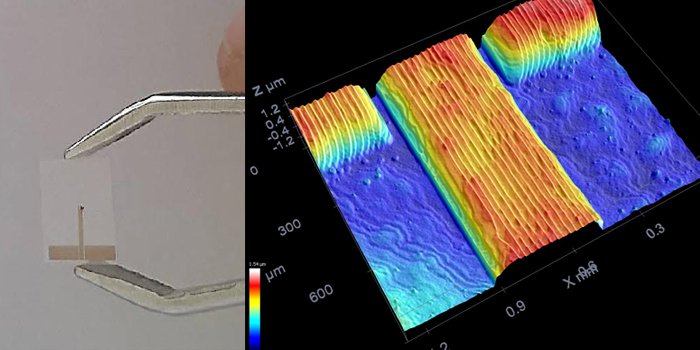
Using inkjet printing and solution processing, we fabricate low-cost, flexible electronic and optoelectronic devices. These include printed circuits, sensors, and organic electronics for consumer and industrial applications.
Representative Work: Inkjet-printed OLEDs and printed sensors developed through US-Egypt collaborative project with UC Berkeley.
Applications: Flexible displays, wearable sensors, smart packaging, IoT devices, low-cost electronics.
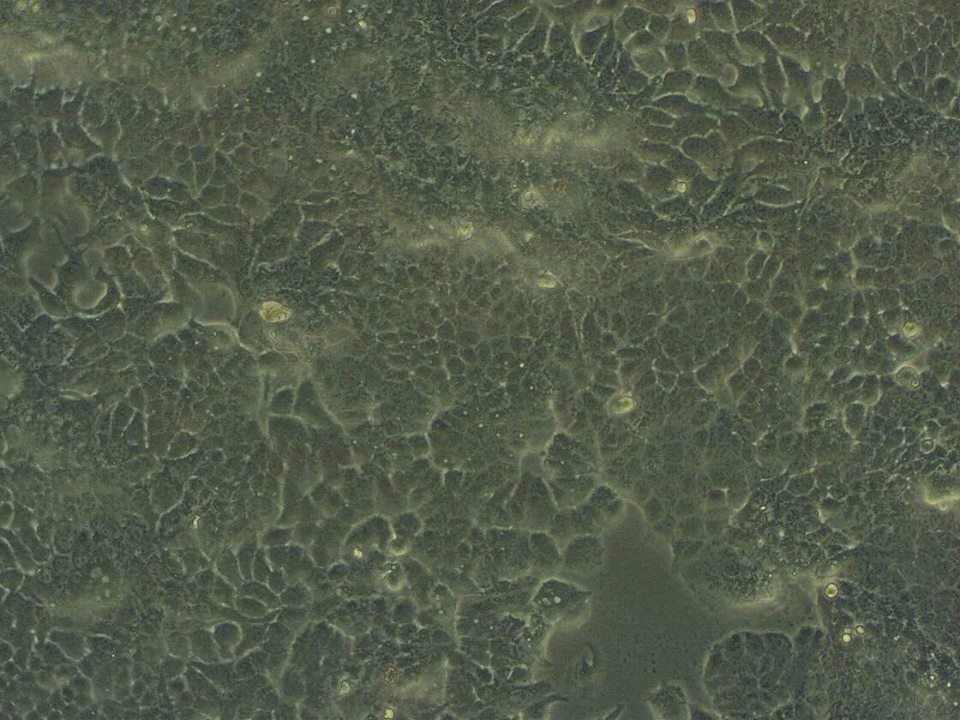
We combine nanomaterials with biological systems to design biosensors, 3D tissue scaffolds, and drug delivery platforms. Our work in electrospun nanofiber scaffolds enables novel cell culture models and cancer research tools.
Representative Work: 3D breast cancer tissues grown on chitosan/PEO nanofibrous scaffolds. Using chitosan/PEO electrospun nanofibers, we support spontaneous formation of 3D cancerous tissues – opening paths for cancer research.
Applications: Biosensing, 3D tissue models, drug delivery, cancer therapeutics, diagnostic platforms.
We optimize graphene/MoS₂ fiber morphologies for enhanced energy storage in flexible supercapacitor devices. Our research focuses on electrode engineering and hybrid devices for flexible energy storage applications.
Representative Work: Optimized graphene/MoS₂ fibers for high-performance supercapacitors. We demonstrated advanced fiber design to boost energy density and cycling stability.
Focus: Supercapacitors, flexible energy storage, electrode materials, hybrid devices, power density optimization.